Slug Defense Blog
Slug prevention, slug science, and better garden barriers.
Research-informed articles for gardeners who want fewer missing seedlings, fewer folklore fixes, and more practical perimeter control.
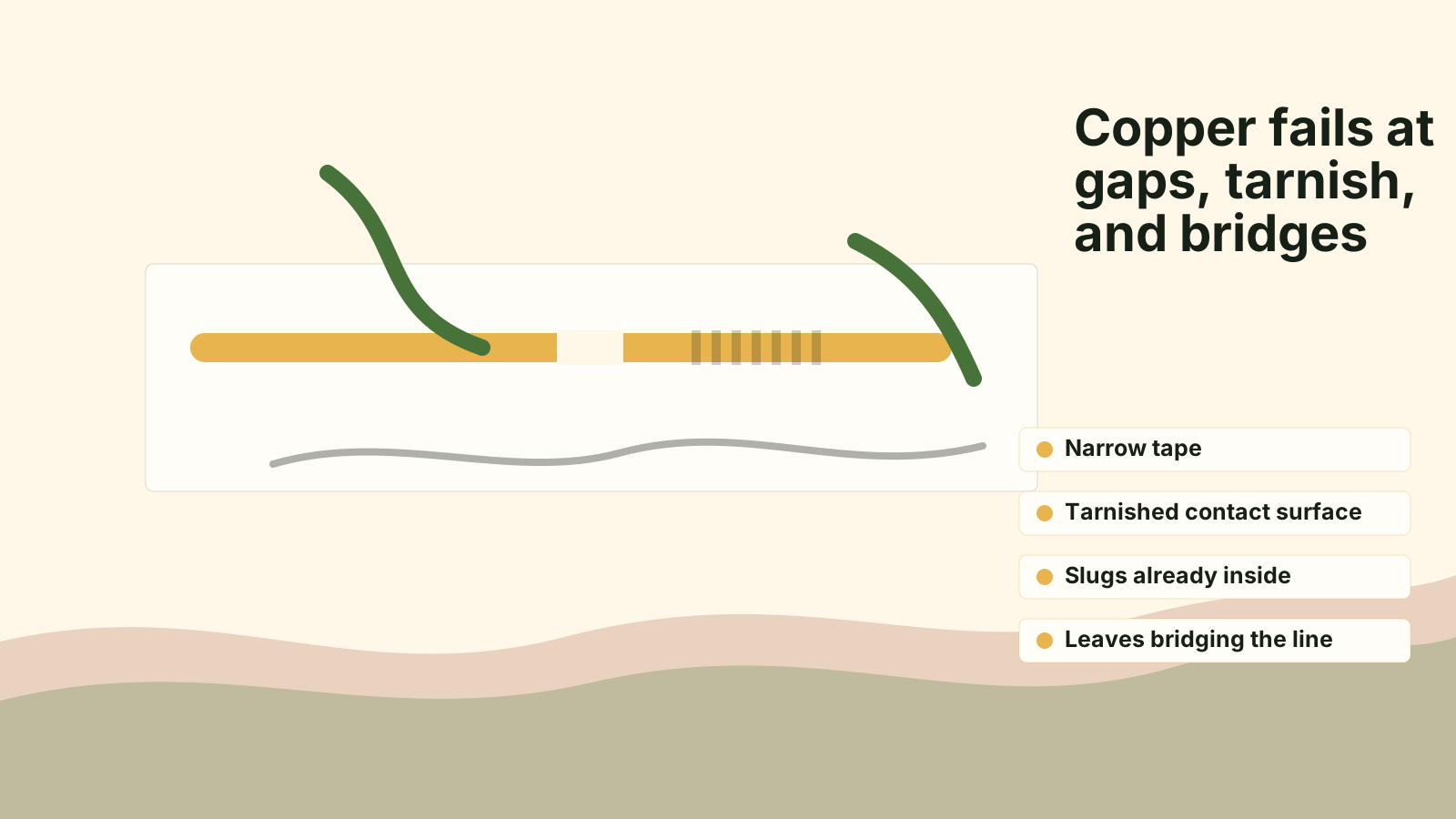
Why Copper Barriers Suck for Slug Control in Real Gardens
Copper slug barriers have a real mechanism, but they fail often in messy beds. Learn the practical limits and better perimeter habits.
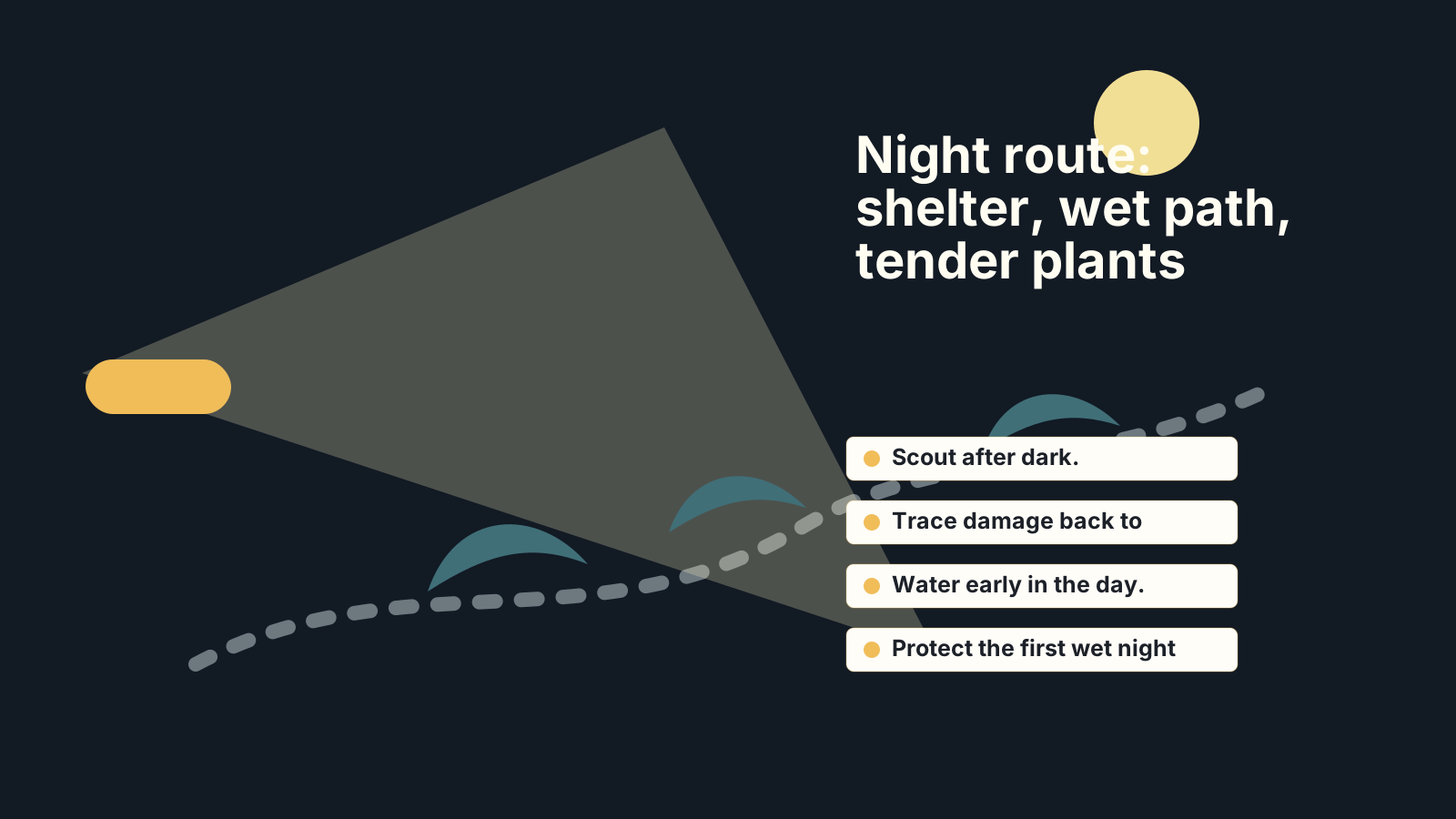
How Slugs Find Seedlings at Night
Slugs follow moisture, shelter, and tender tissue after dark. Learn how to interrupt their route to seedlings.
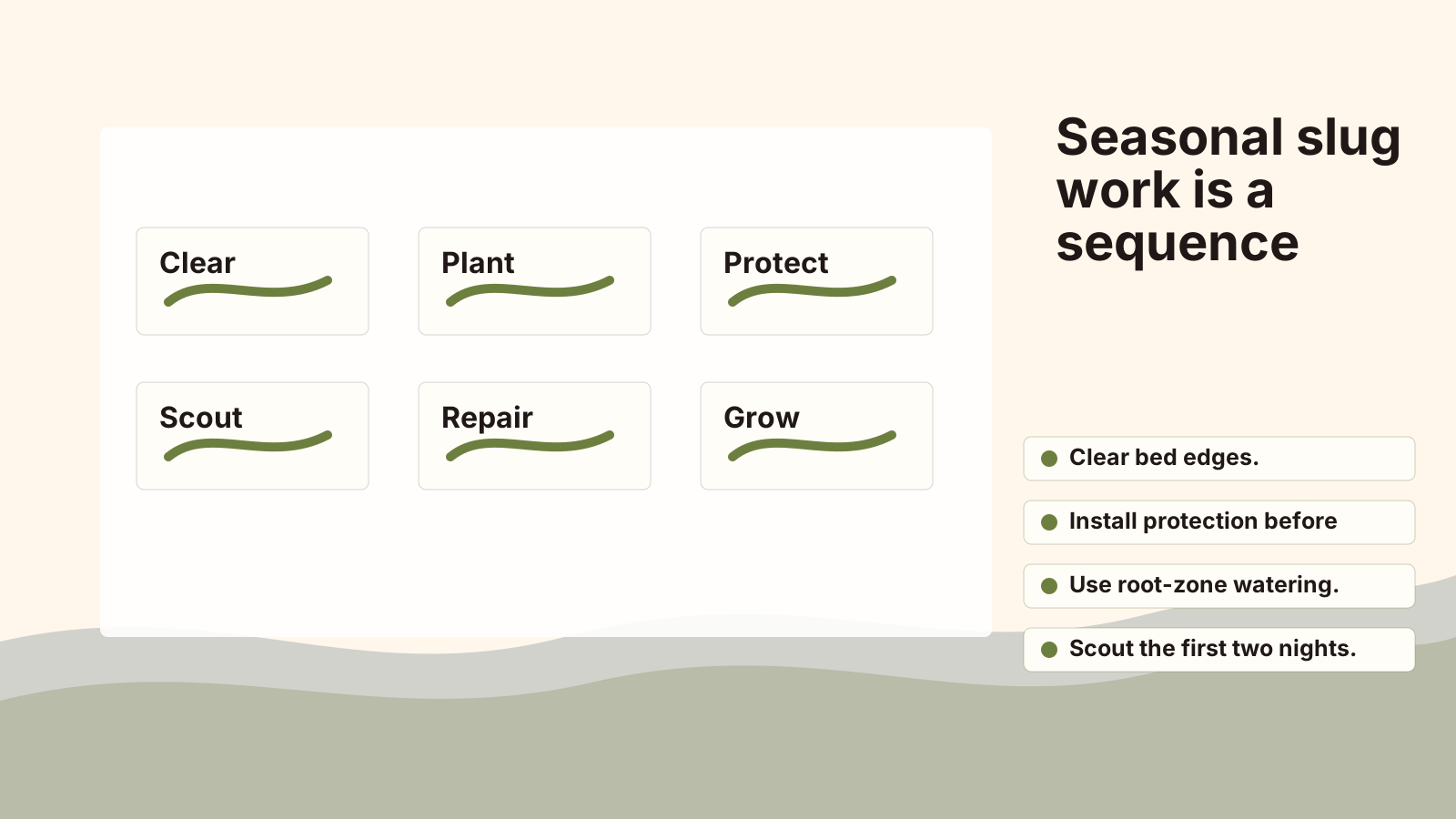
Spring Slug Prevention Checklist for Vegetable Gardens
A spring slug prevention checklist for vegetable seedlings, wet beds, raised rows, and first transplant nights.
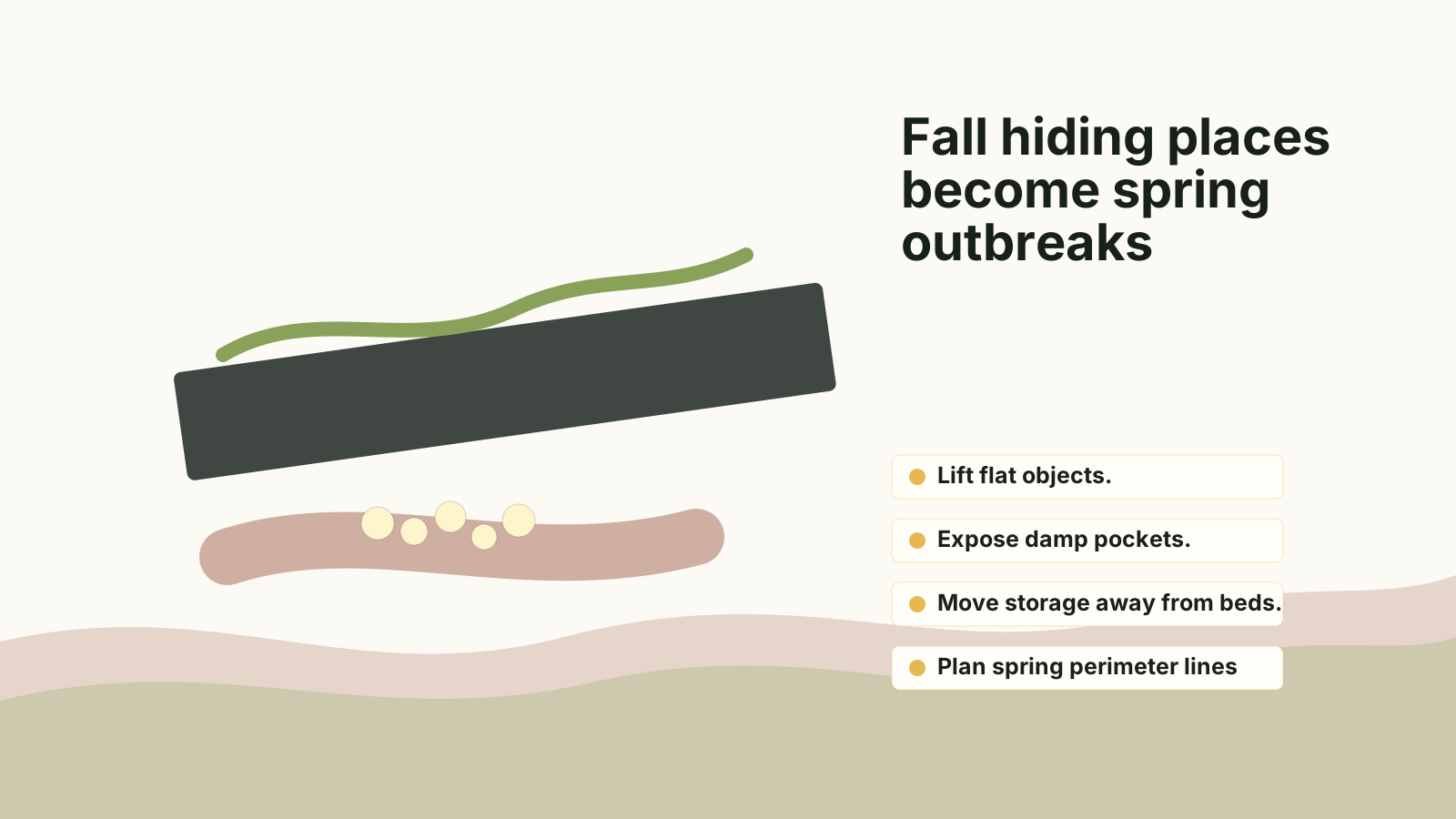
Fall Slug Egg Control: Stop Next Spring's Outbreak
Fall cleanup can reduce slug eggs and shelters before spring seedlings go in. Learn where to look and what to disturb.
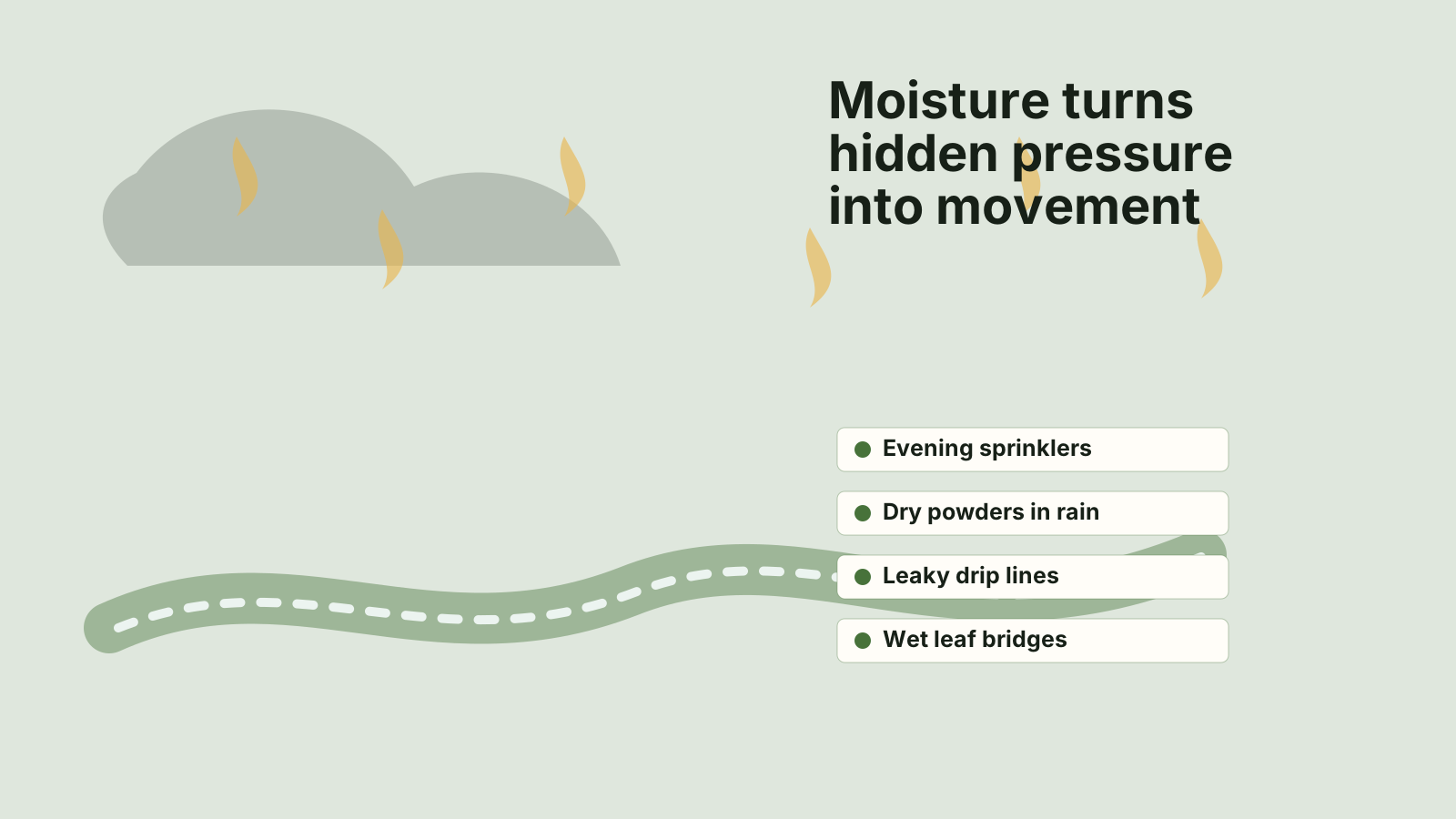
Wet Weather and Slug Explosions: What Moisture Changes
Wet weather changes slug movement, feeding time, and garden risk. Learn how to respond after rain.
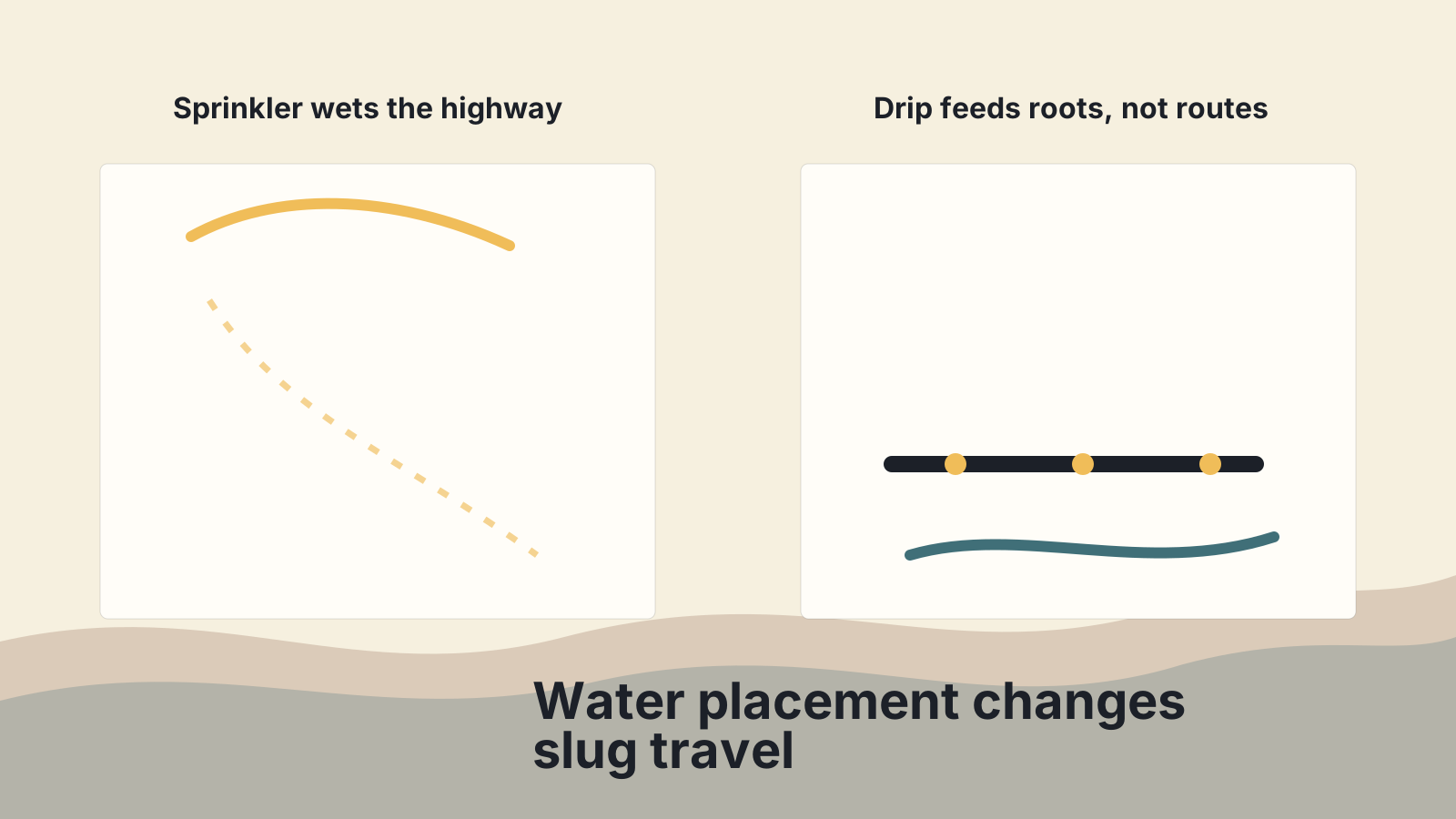
Watering Practices That Reduce Slug Pressure
Morning watering, root-zone irrigation, and dry evening surfaces can reduce slug pressure without stressing plants.
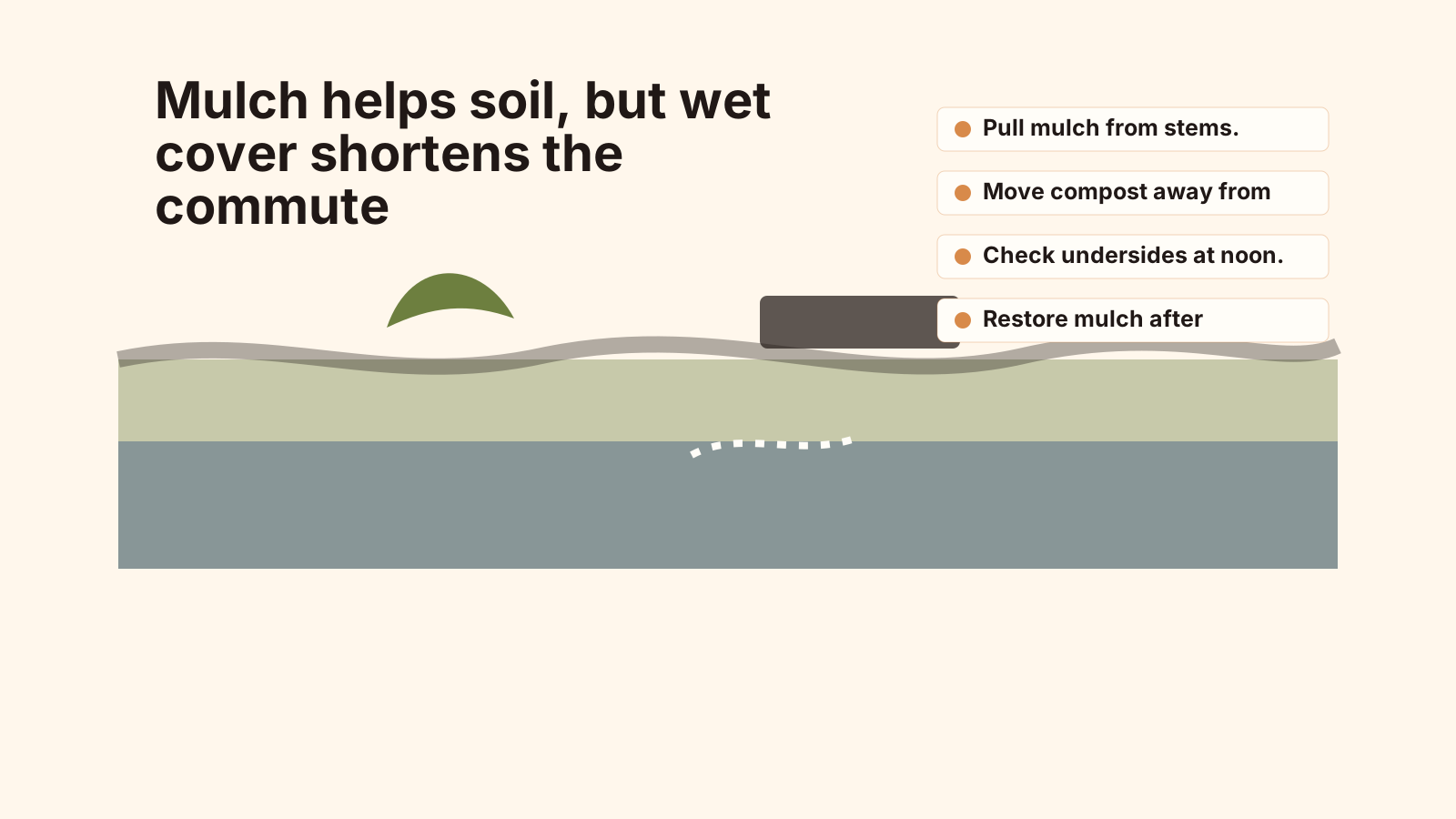
Mulch, Compost, and Slugs: Keep the Benefits Without the Shelter
Mulch and compost help soil, but dense wet organic matter can shelter slugs. Learn how to use them safely near seedlings.
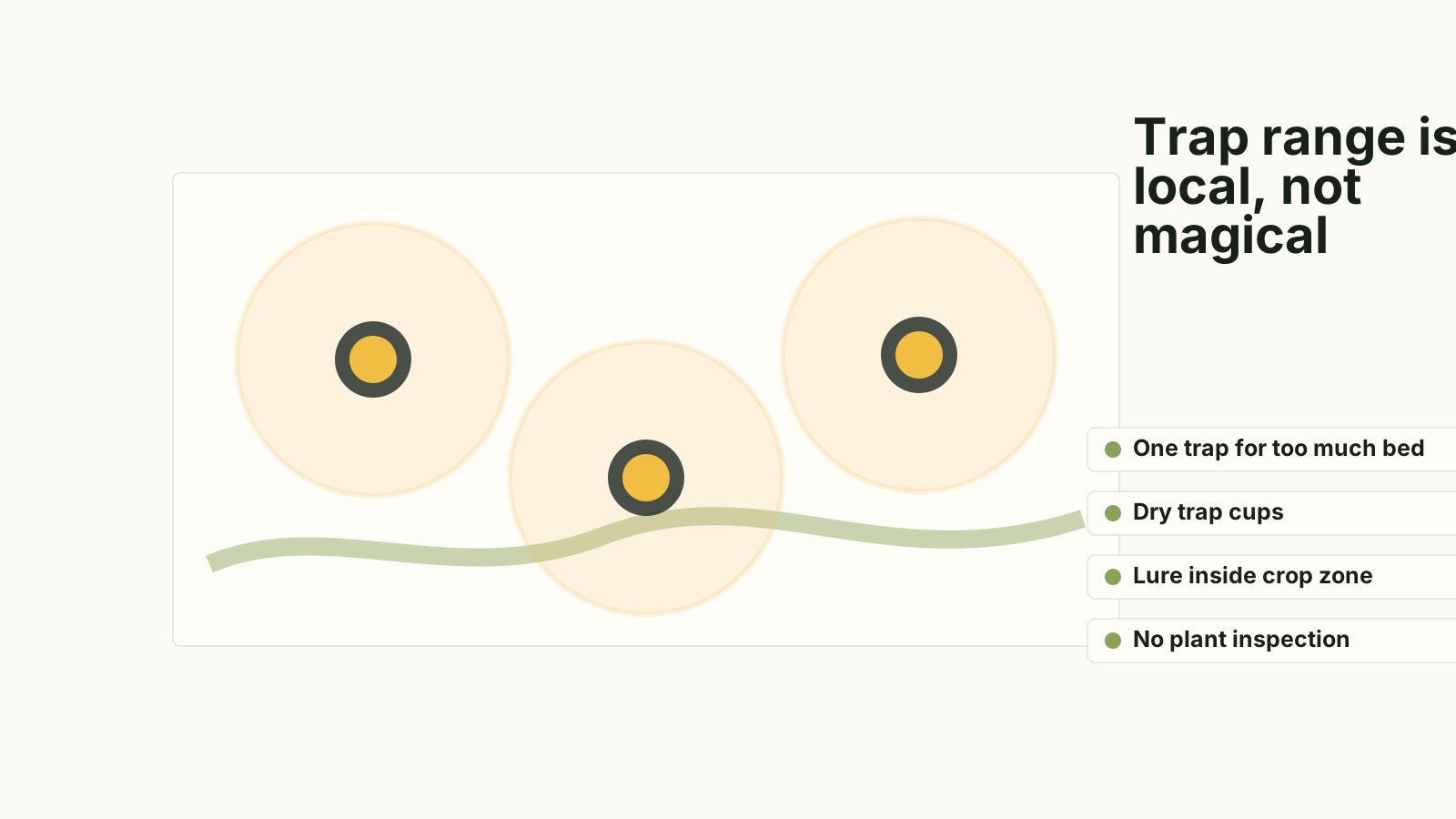
Beer Traps for Slugs: What They Do and What They Miss
Beer traps catch slugs, but their range and maintenance limits are often misunderstood. Learn how to use them realistically.
Bread Dough Slug Bait: The Science Behind Fermentation Lures
Bread dough has been researched as a low-cost slug and snail attractant. Learn how fermentation lures fit into control.
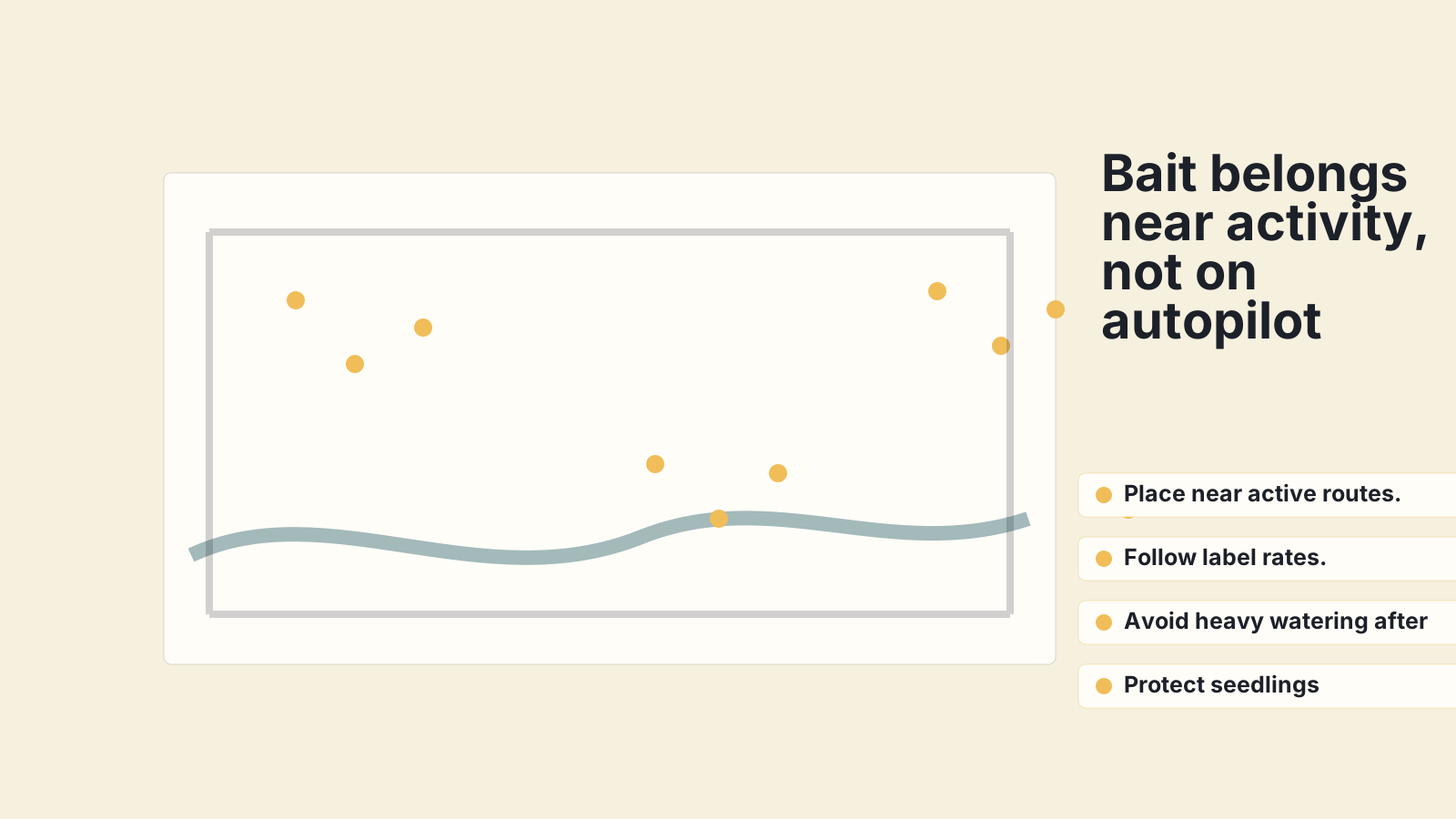
Iron Phosphate Slug Bait: Where It Fits in an IPM Plan
Iron phosphate bait can reduce slug feeding, but it works best with scouting, barriers, watering changes, and habitat cleanup.
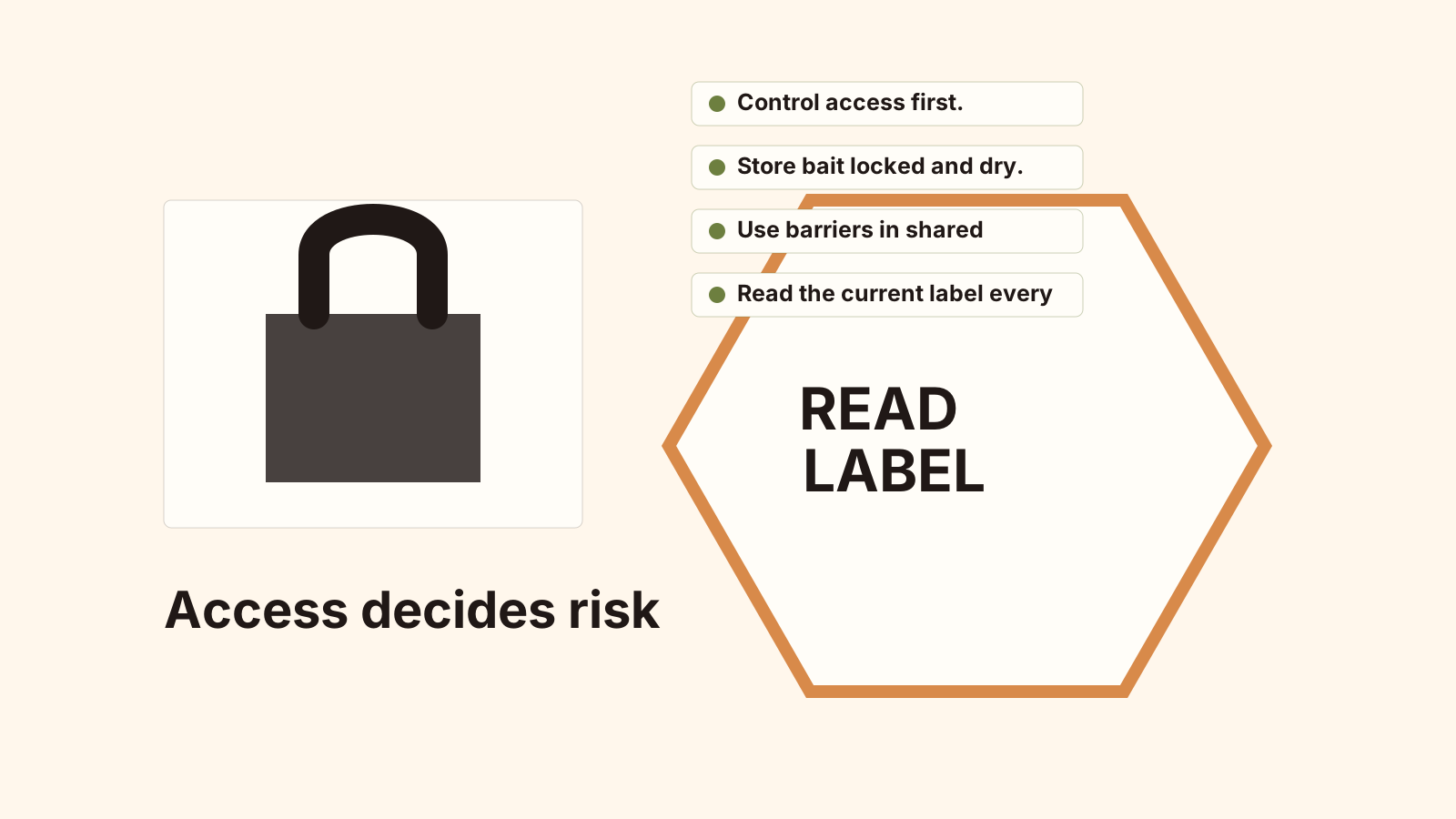
Metaldehyde Slug Bait and Pet Safety: Why Caution Matters
Metaldehyde slug bait can be hazardous around pets and non-target animals. Learn safer planning habits.
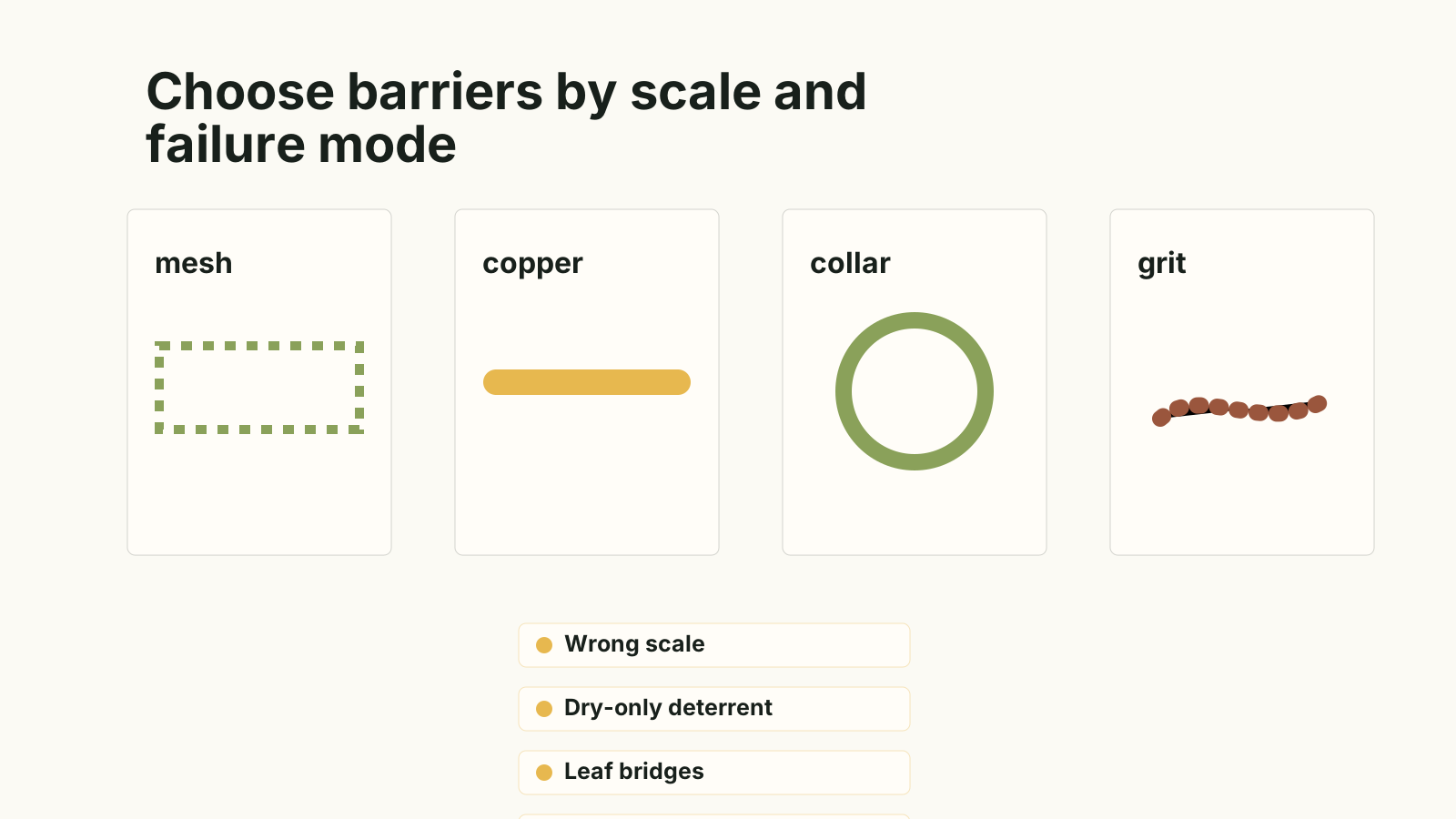
Physical Slug Barriers Compared: Mesh, Copper, Collars, and Grit
Compare physical slug barriers by scale, moisture tolerance, maintenance, and how easily slugs bypass them.
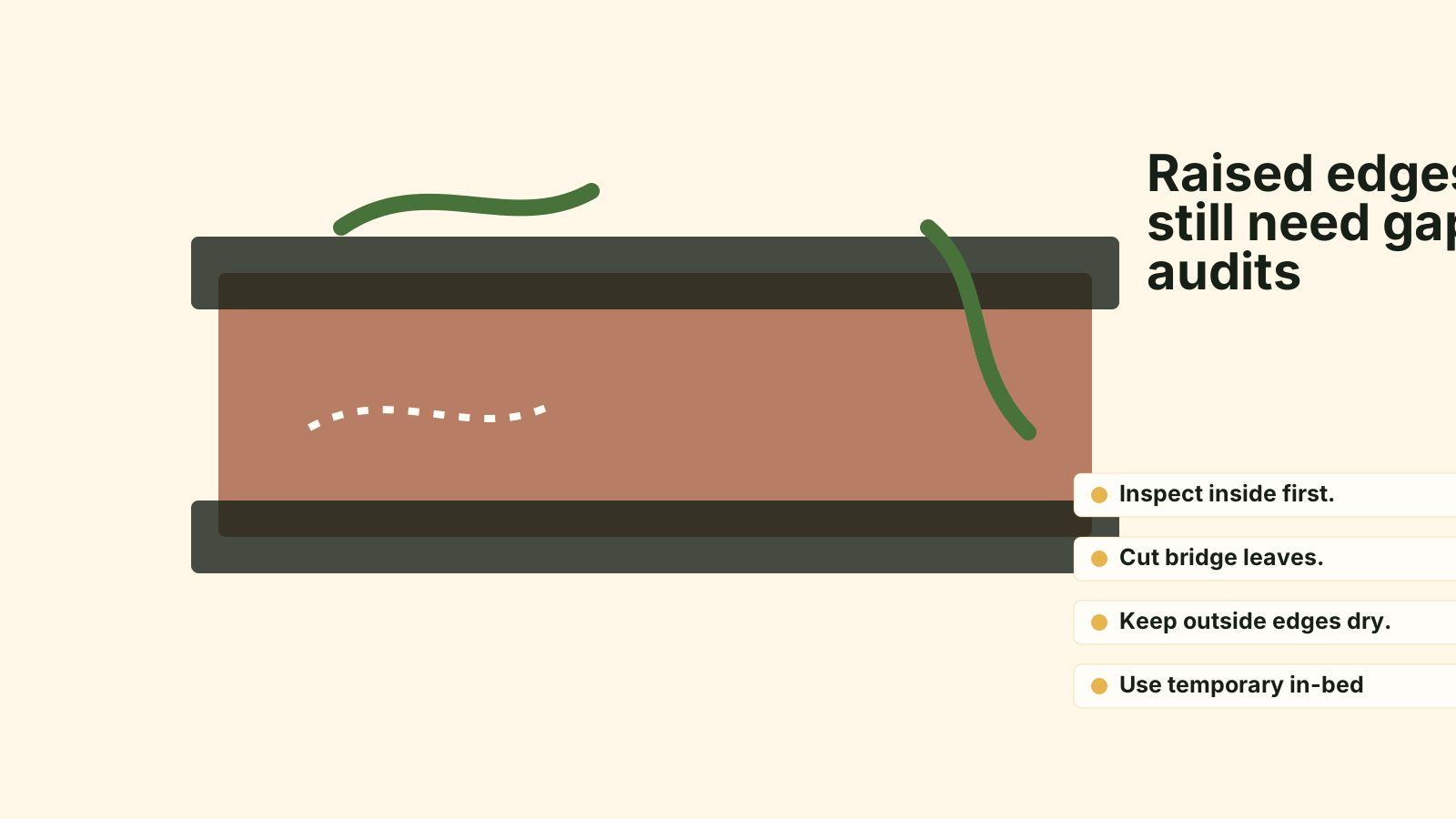
Raised Bed Slug Prevention Without Rebuilding the Bed
Raised beds still get slugs. Learn how to manage bed edges, bridges, irrigation, and in-bed perimeters.
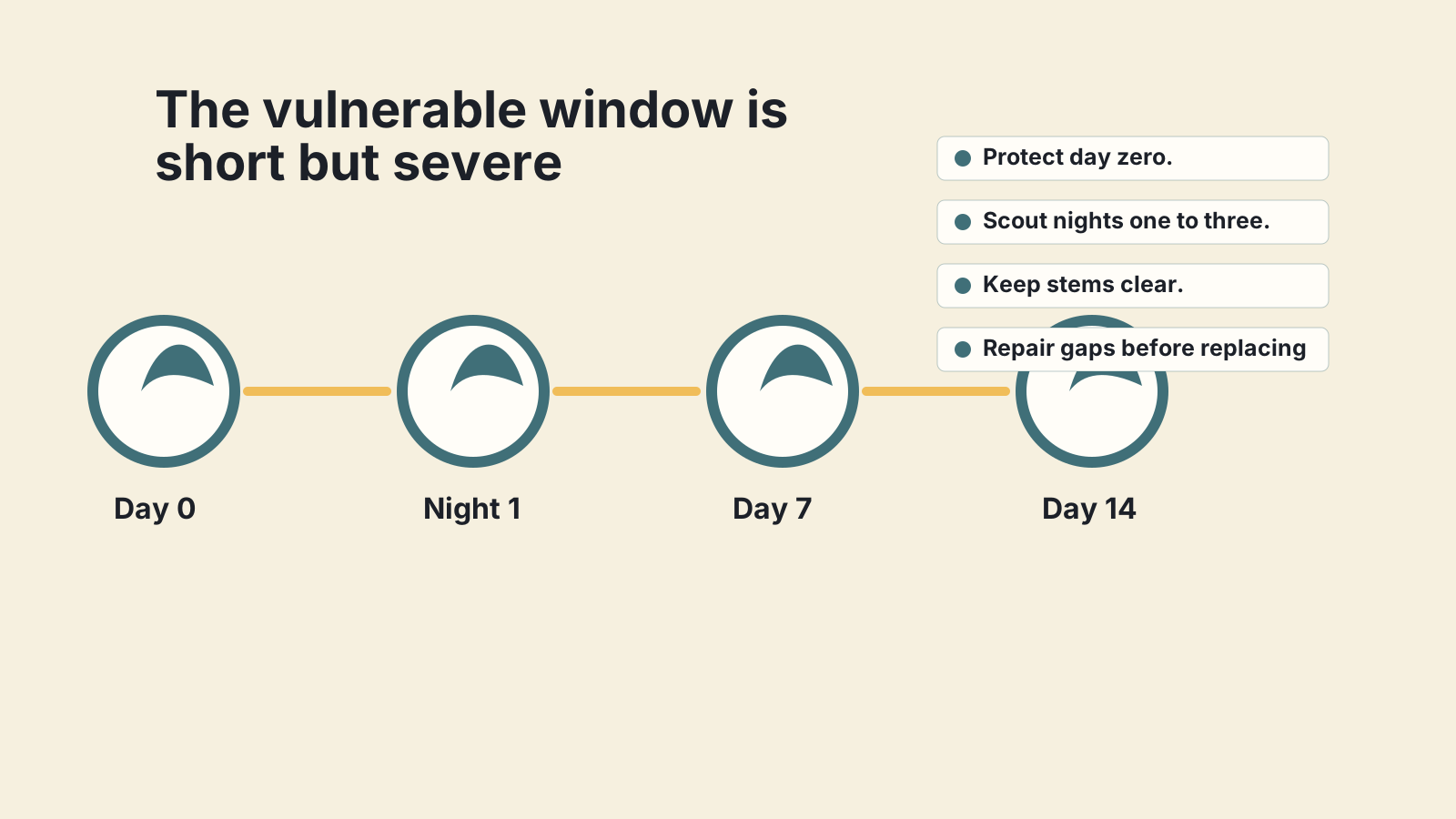
Protecting Seedlings from Slugs During the First Two Weeks
The first two weeks after planting are the highest-risk period for slug damage. Use this routine for seedlings.
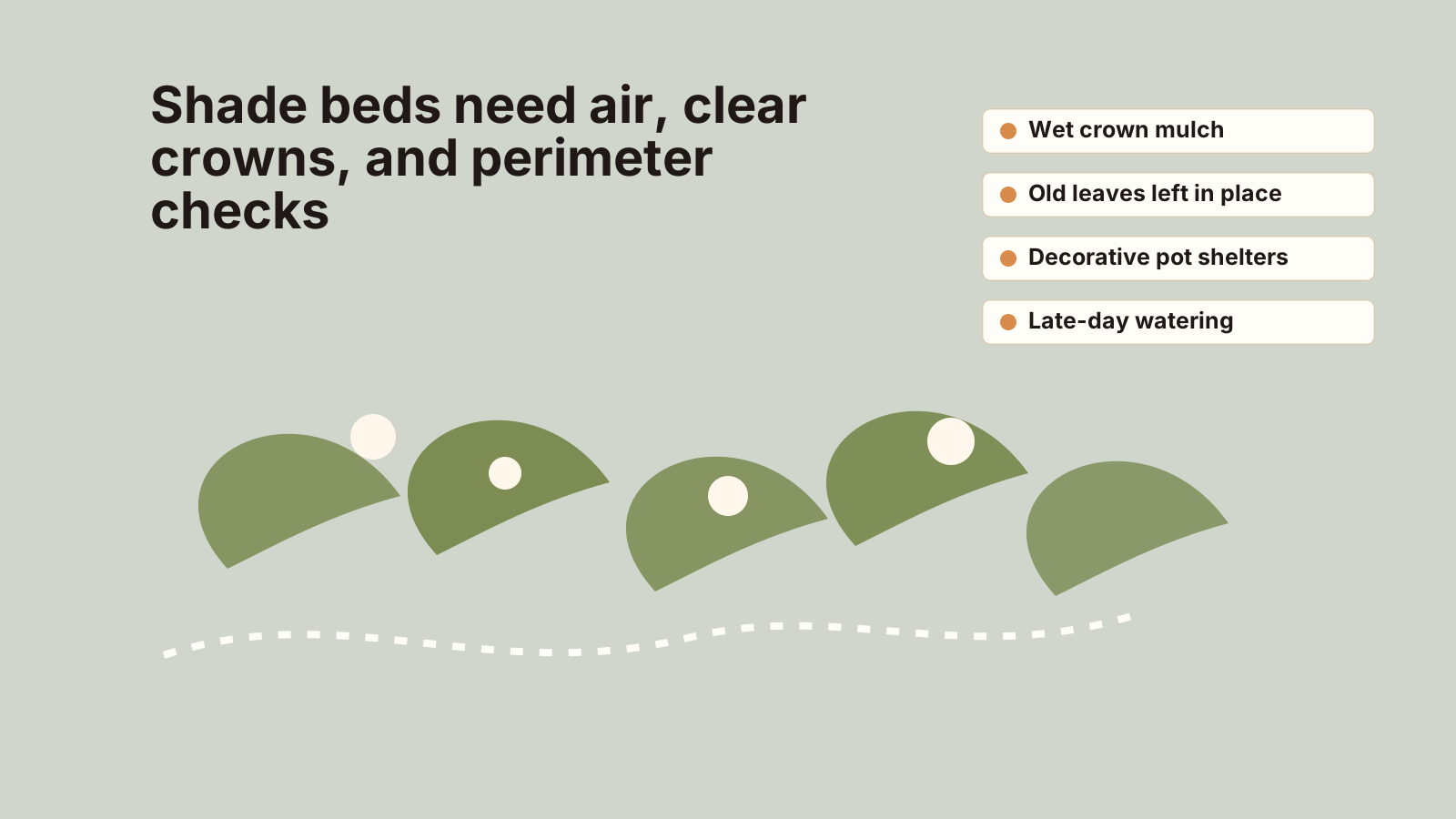
Hostas and Slugs: Building a Better Defense Around Shade Beds
Hosta slug damage comes from shade, moisture, cover, and broad tender leaves. Build a better shade-bed defense.
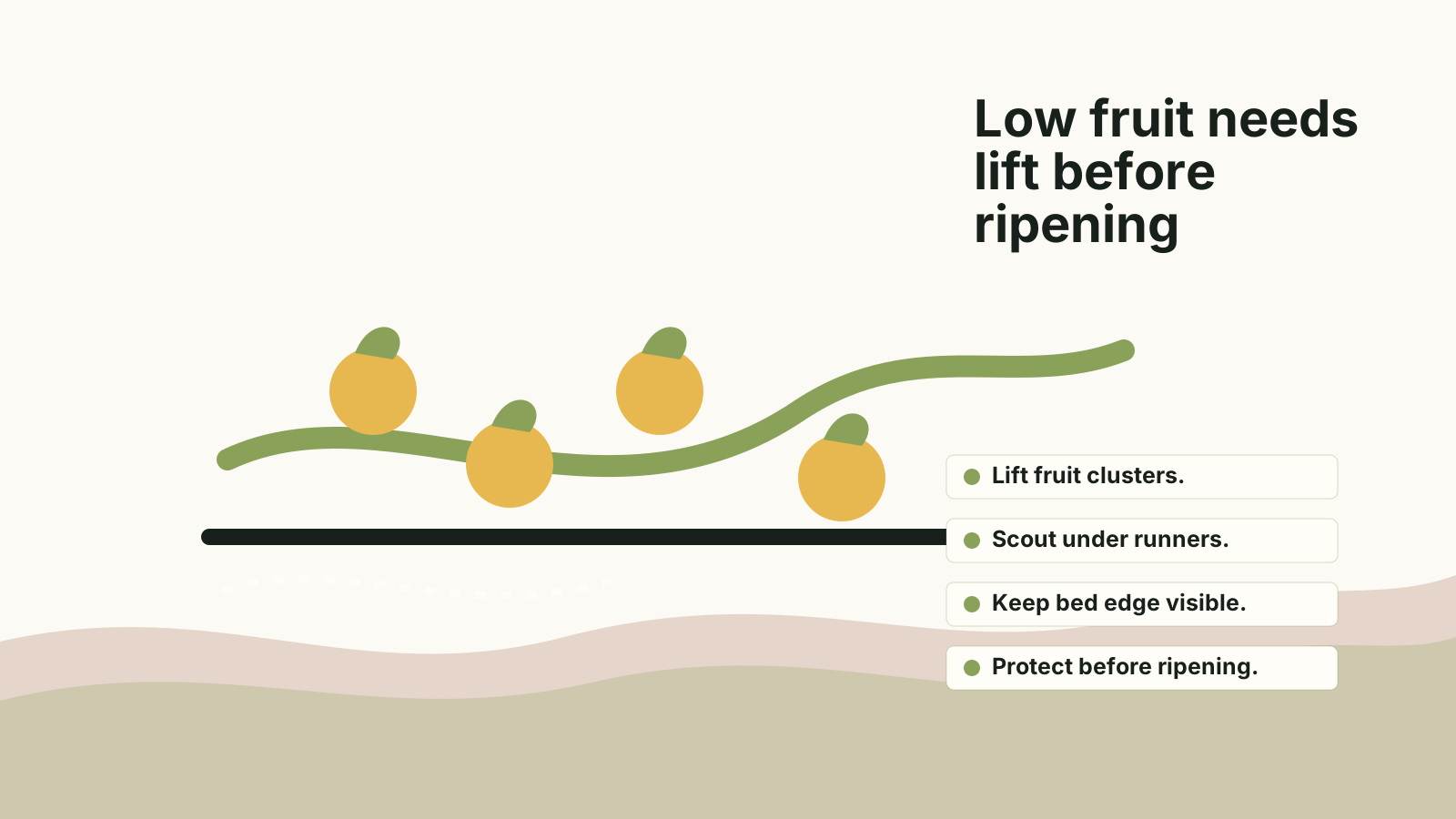
Strawberries, Tomatoes, and Low Fruit: Slug Prevention Near Soil
Fruit close to soil is vulnerable to slug feeding. Protect strawberries, tomatoes, and low fruit before ripening.
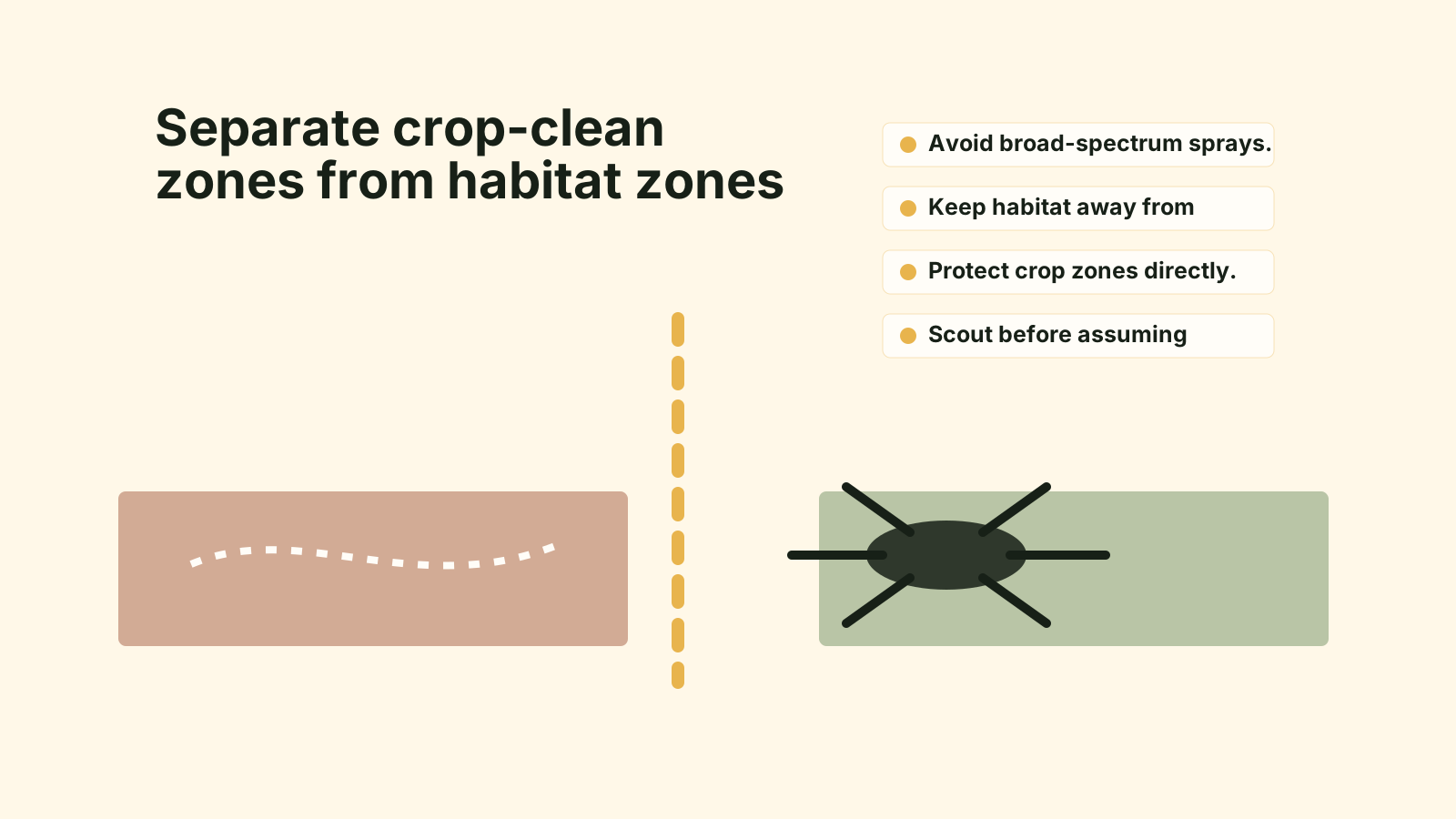
Ground Beetles and Slugs: How Predator-Friendly Gardens Help
Ground beetles and other natural enemies can reduce slug pressure when gardens avoid practices that harm them.
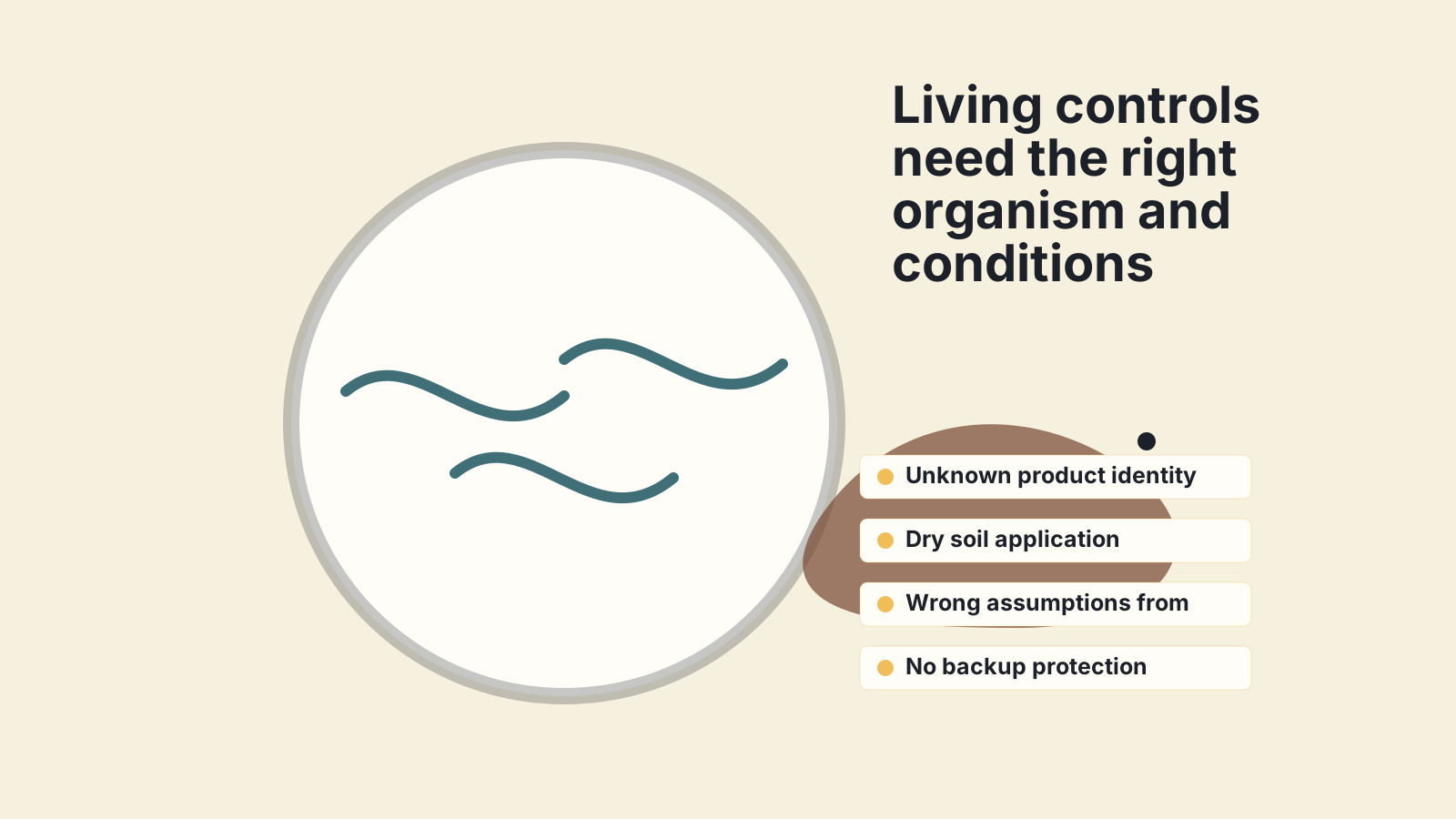
Slug Nematodes and Biological Control: Promise and Limits
Slug-killing nematodes are promising biological controls, but species, availability, moisture, and regulations matter.
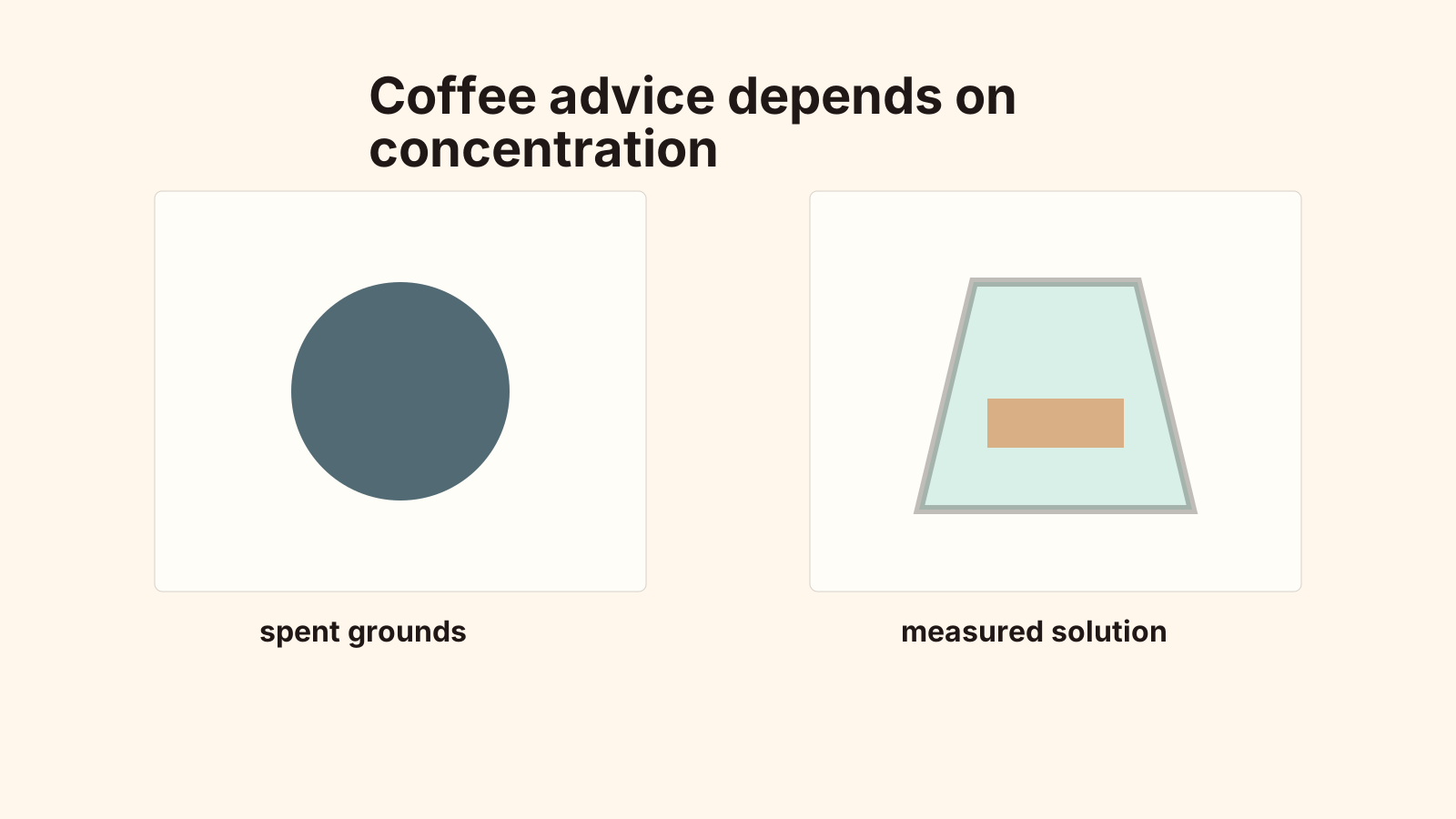
Coffee, Caffeine, and Slugs: What the Research Really Says
Caffeine research is not the same as sprinkling used coffee grounds. Learn the difference before relying on coffee for slugs.
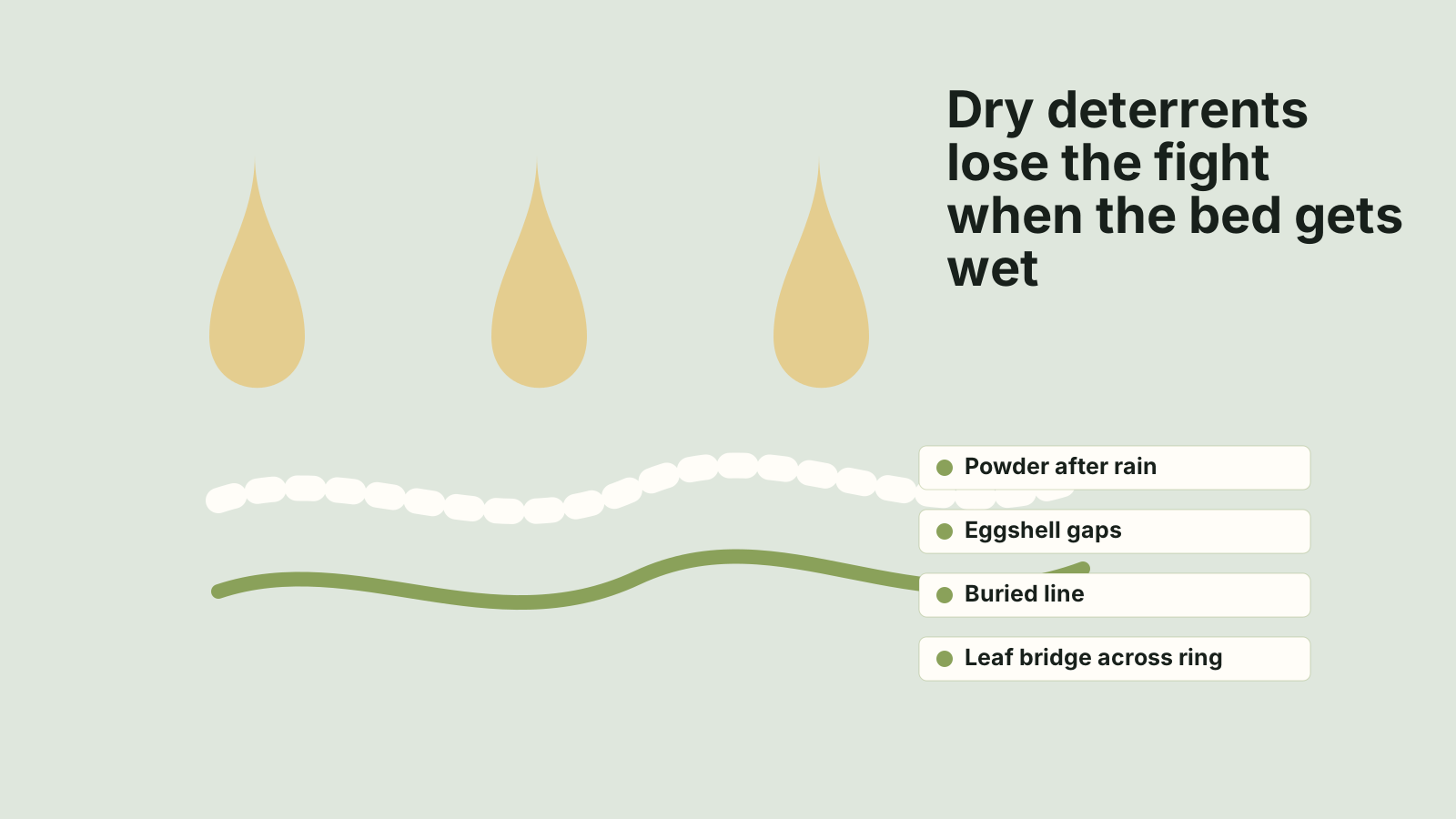
Diatomaceous Earth and Eggshells for Slugs: Why Dry Barriers Fail
Dry gritty barriers like diatomaceous earth and eggshells often fail when wet. Learn when they are not enough.
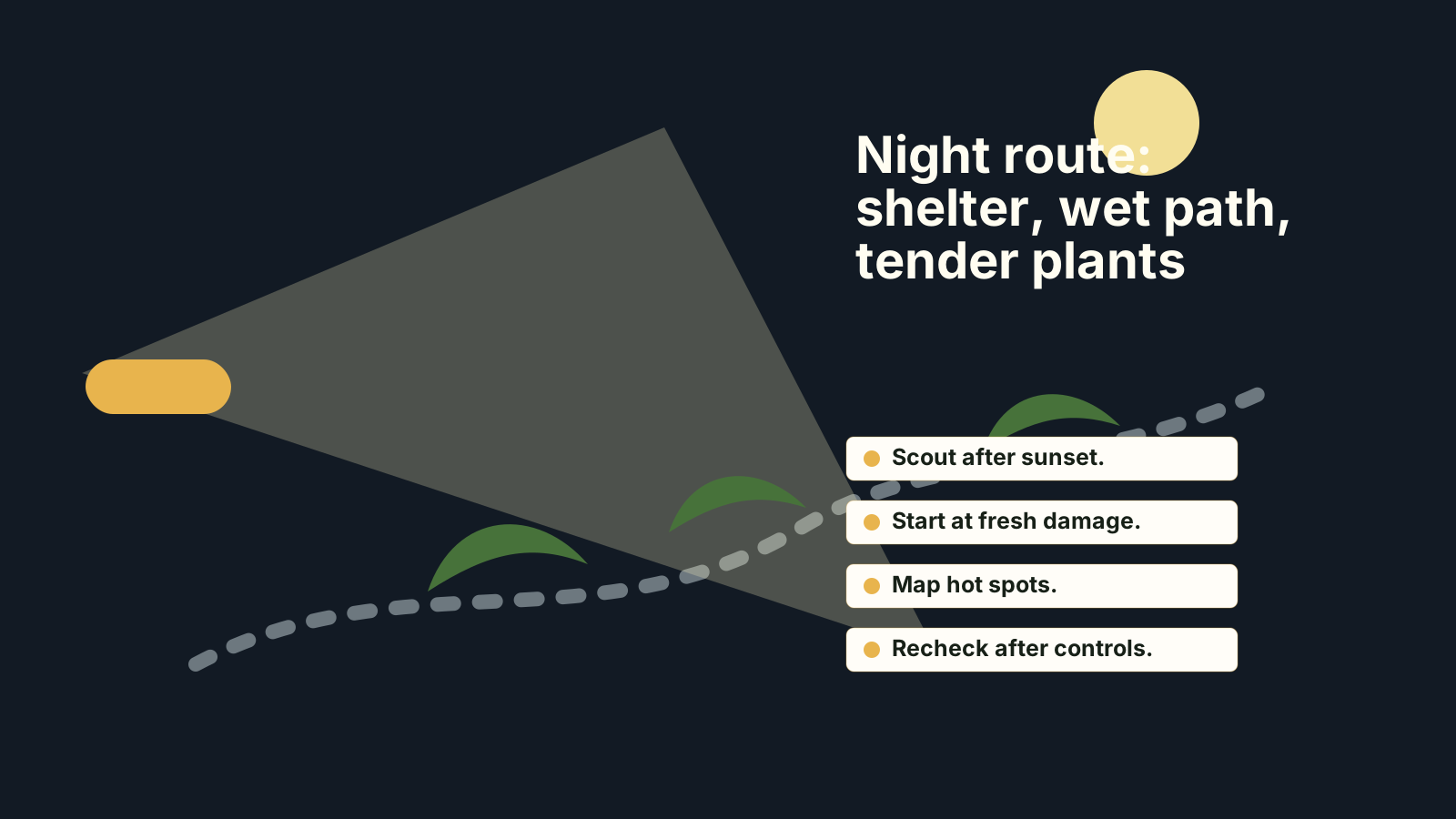
Night Scouting for Slugs: How to Find the Real Hot Spots
Night scouting shows where slugs feed, hide, and cross barriers. Use this simple routine before choosing controls.
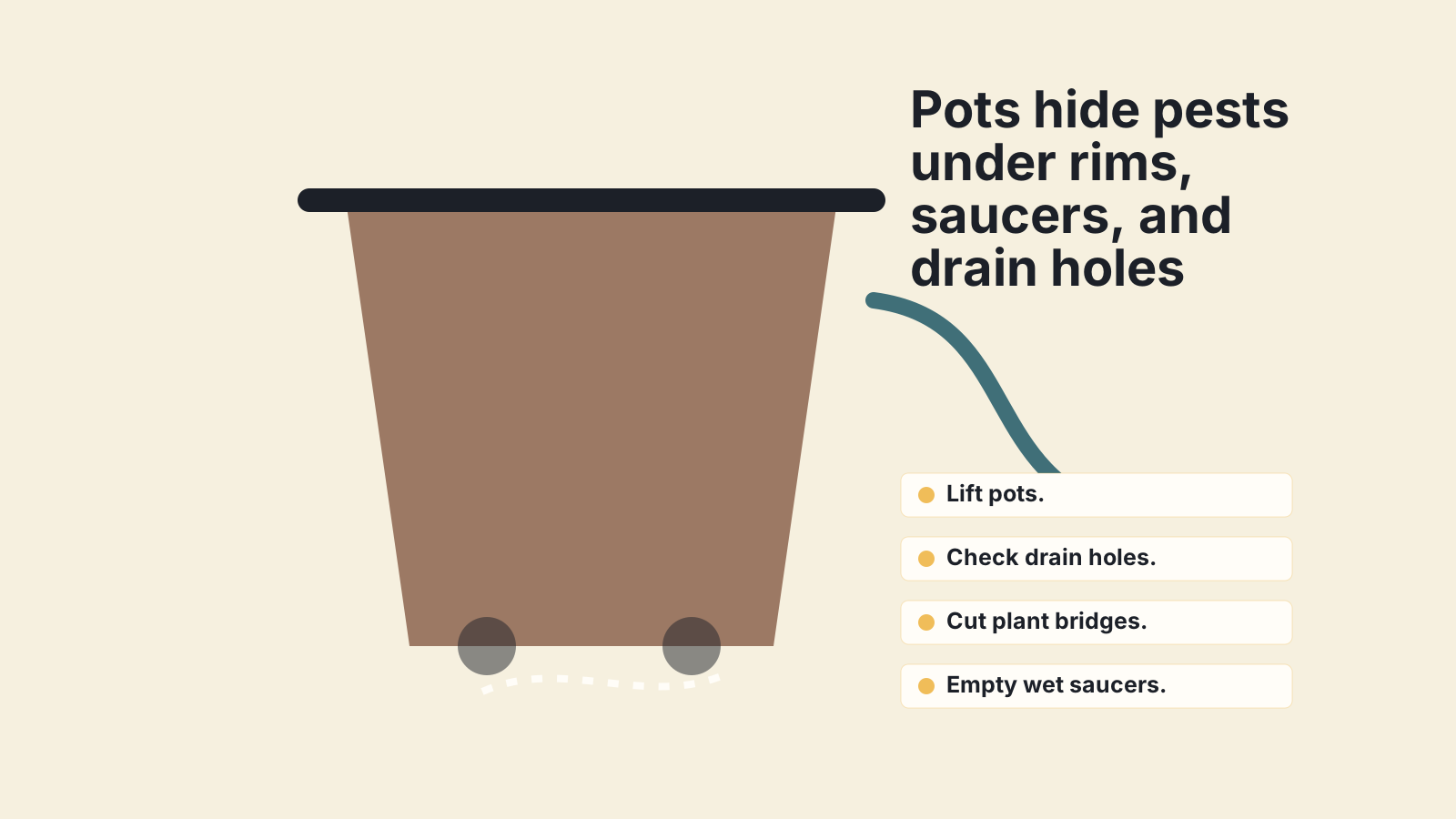
Container Garden Slug Prevention for Pots and Planters
Pots and planters can hide slugs in rims, drain holes, saucers, and soil. Learn how to protect containers.
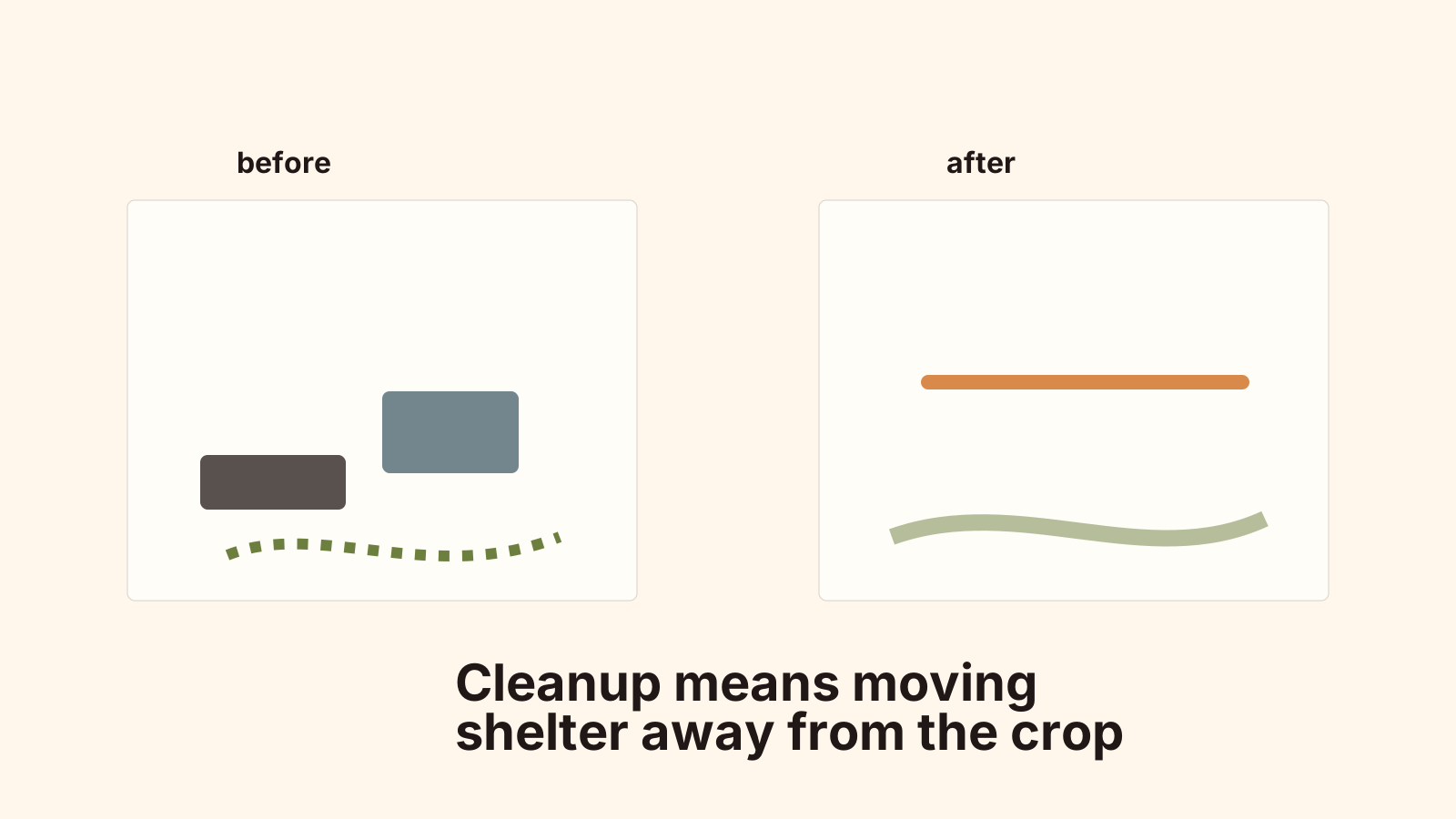
Garden Cleanup for Slug Control Without Stripping Habitat
Slug cleanup should remove shelters near crops while preserving useful habitat away from vulnerable seedlings.
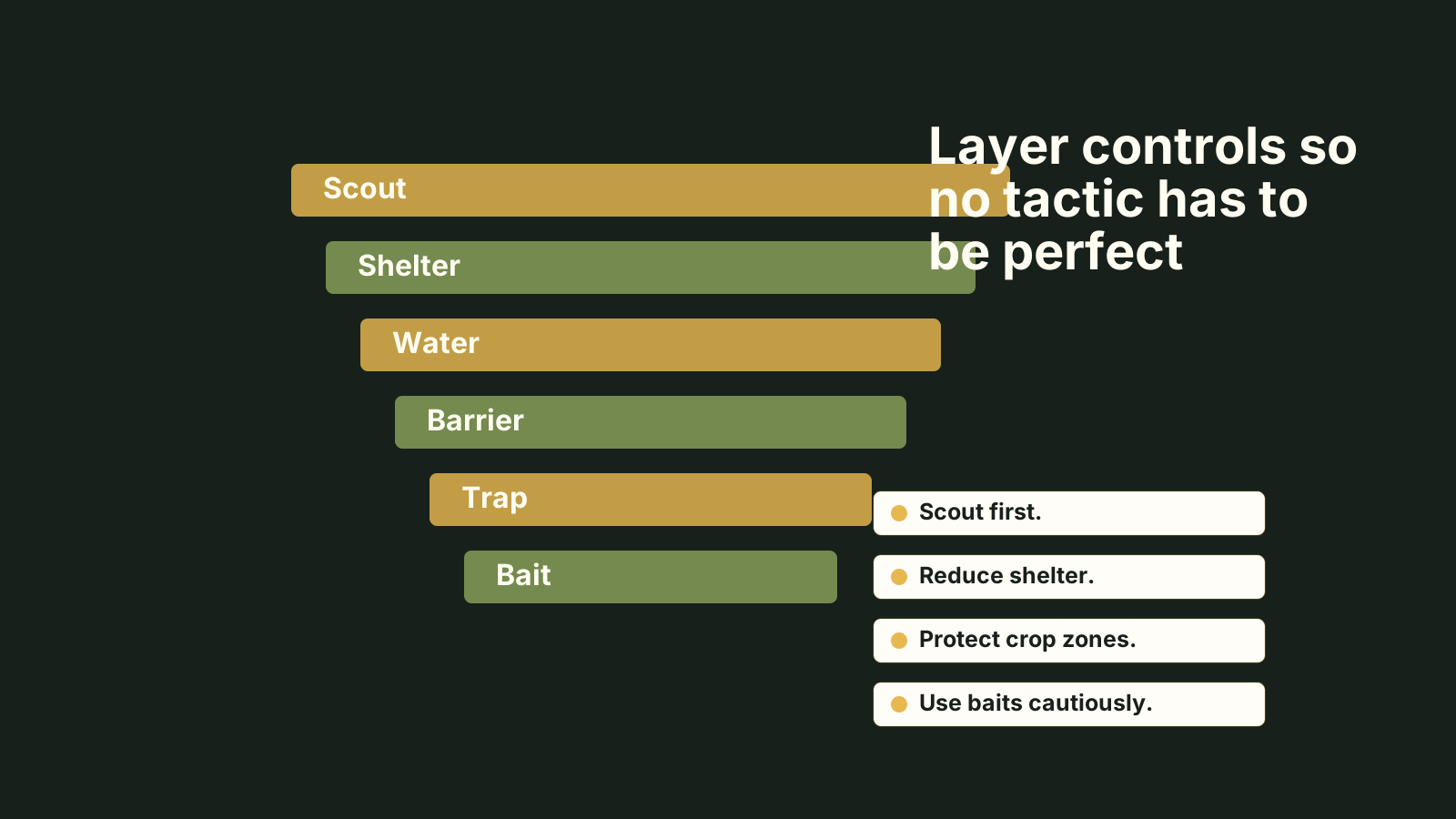
Integrated Slug Management: The Layered Strategy That Works
Integrated slug management combines scouting, habitat cleanup, watering changes, barriers, traps, and cautious bait use.
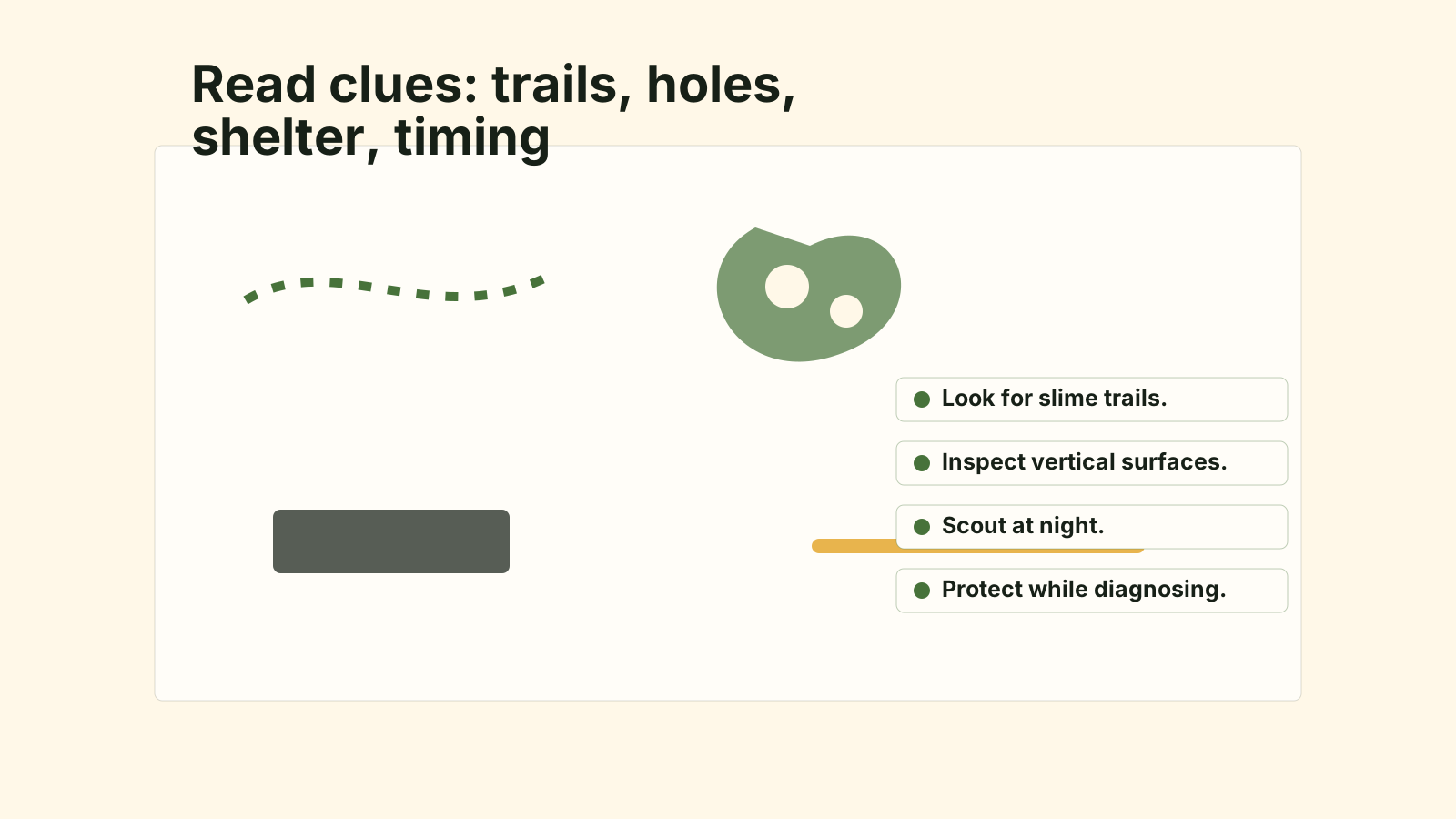
Slug vs Snail Damage: How to Read the Clues
Slug and snail damage overlap. Learn how to read slime trails, smooth holes, shelter, and feeding patterns.
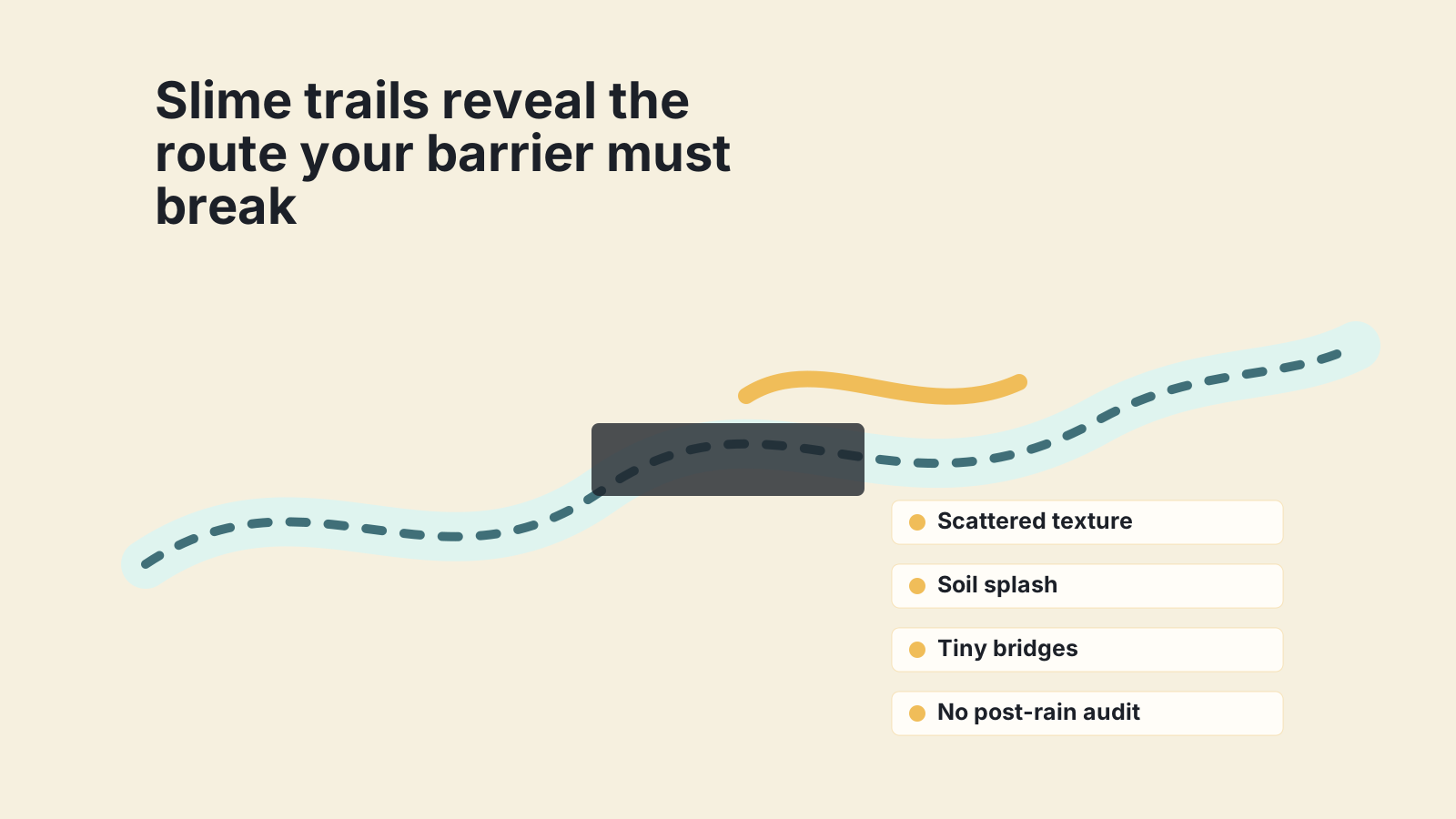
Slug Slime Science: Why Barriers Need to Interrupt Movement
Slug mucus helps movement and survival. Learn why barriers must interrupt travel rather than merely look unpleasant.